Data Center Airflow Management: 30% Energy Savings & AI-Ready Cooling

Optimize Your Data Center Airflow Management for Maximum Efficiency

Optimize Your Data Center Airflow Management for Maximum Efficiency

In the ever-evolving landscape of data centers, effective airflow management is paramount for optimizing performance and ensuring sustainability. This page delves into the intricacies of Data Center Airflow Management, highlighting its critical role in maintaining ideal operating conditions for servers and equipment. With the rising demand for computing power and the need for energy efficiency, mastering airflow management not only reduces operational costs but also enhances the longevity of your infrastructure. By implementing advanced airflow strategies, organizations can prevent hotspots, improve cooling efficiency, and ultimately support their AI-driven workloads. Explore how our solutions empower your data center to adapt to the increasing complexities of digital operations while promoting sustainable growth and intelligent infrastructure.
Get A Quote

Advantages of the product

Enhanced Cooling Efficiency

Proper airflow management significantly reduces the energy required for cooling. By strategically directing airflow, data centers can maintain optimal temperatures, preventing overheating of equipment. This leads to lower energy bills and a smaller carbon footprint, aligning with global sustainability goals. The implementation of airflow management techniques can result in energy savings of up to 30%, making it a vital component of modern data center operations.

Increased Equipment Lifespan

With effective airflow management, the risk of hardware failure due to overheating is minimized. By ensuring that servers operate within their ideal temperature ranges, the lifespan of critical equipment is extended. This not only protects your investment but also reduces the frequency of replacement and maintenance, allowing for more predictable budgeting and resource allocation.

Scalability and Flexibility

As data demands grow, so does the need for adaptable infrastructure. Effective airflow management facilitates scalability by allowing data centers to expand without compromising on cooling efficiency. This flexibility ensures that your infrastructure can evolve alongside technological advancements and increasing workloads, providing a robust foundation for future growth.

Related products

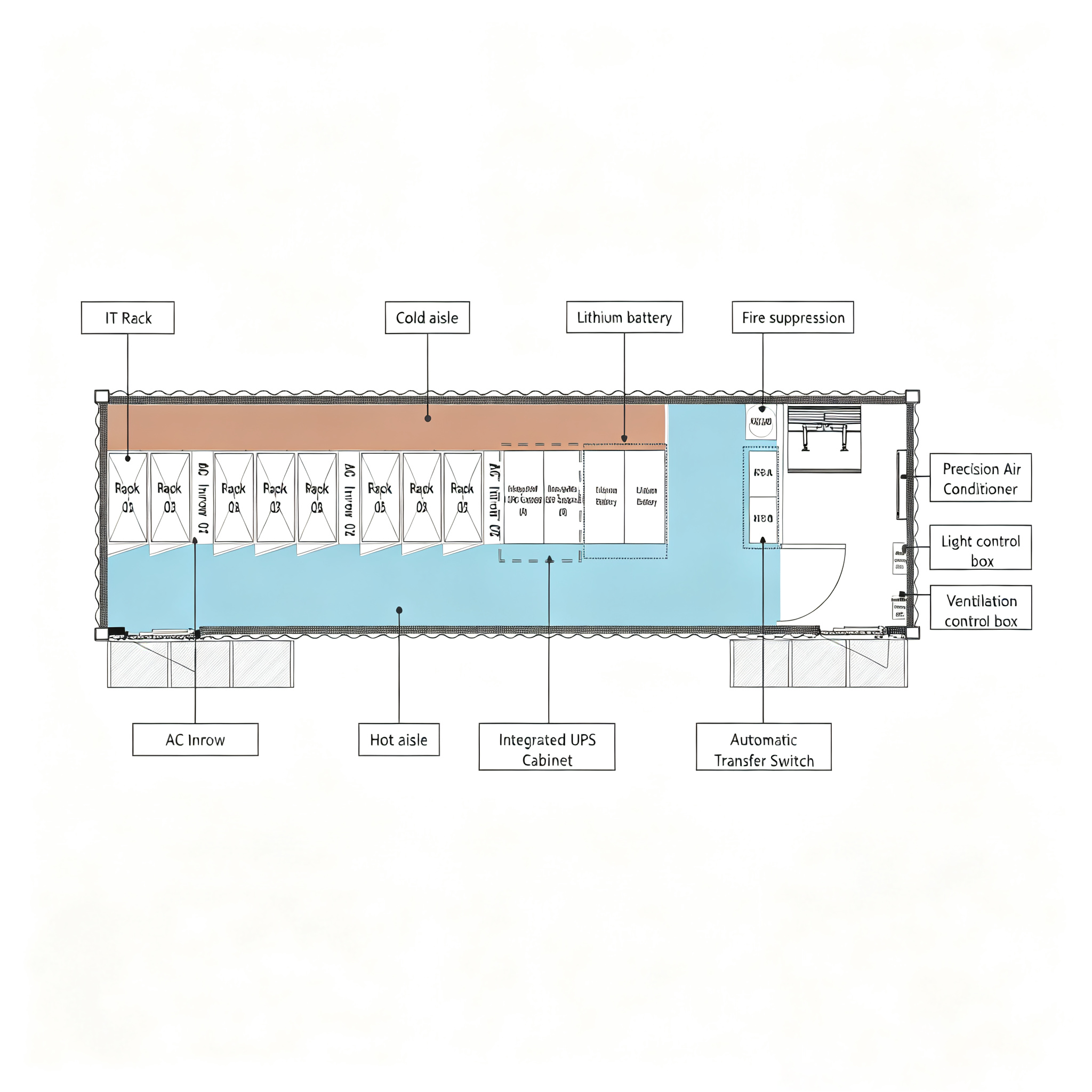
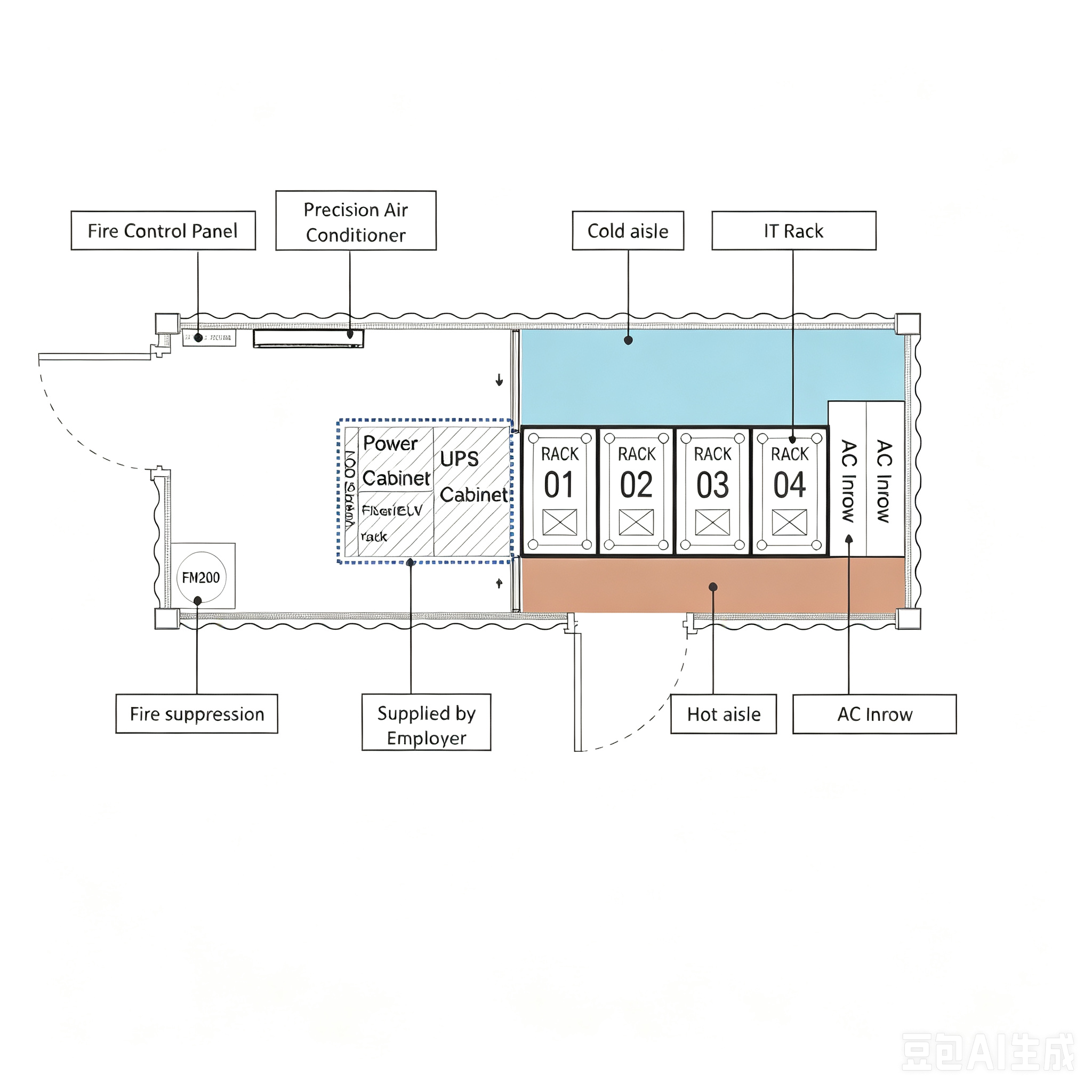
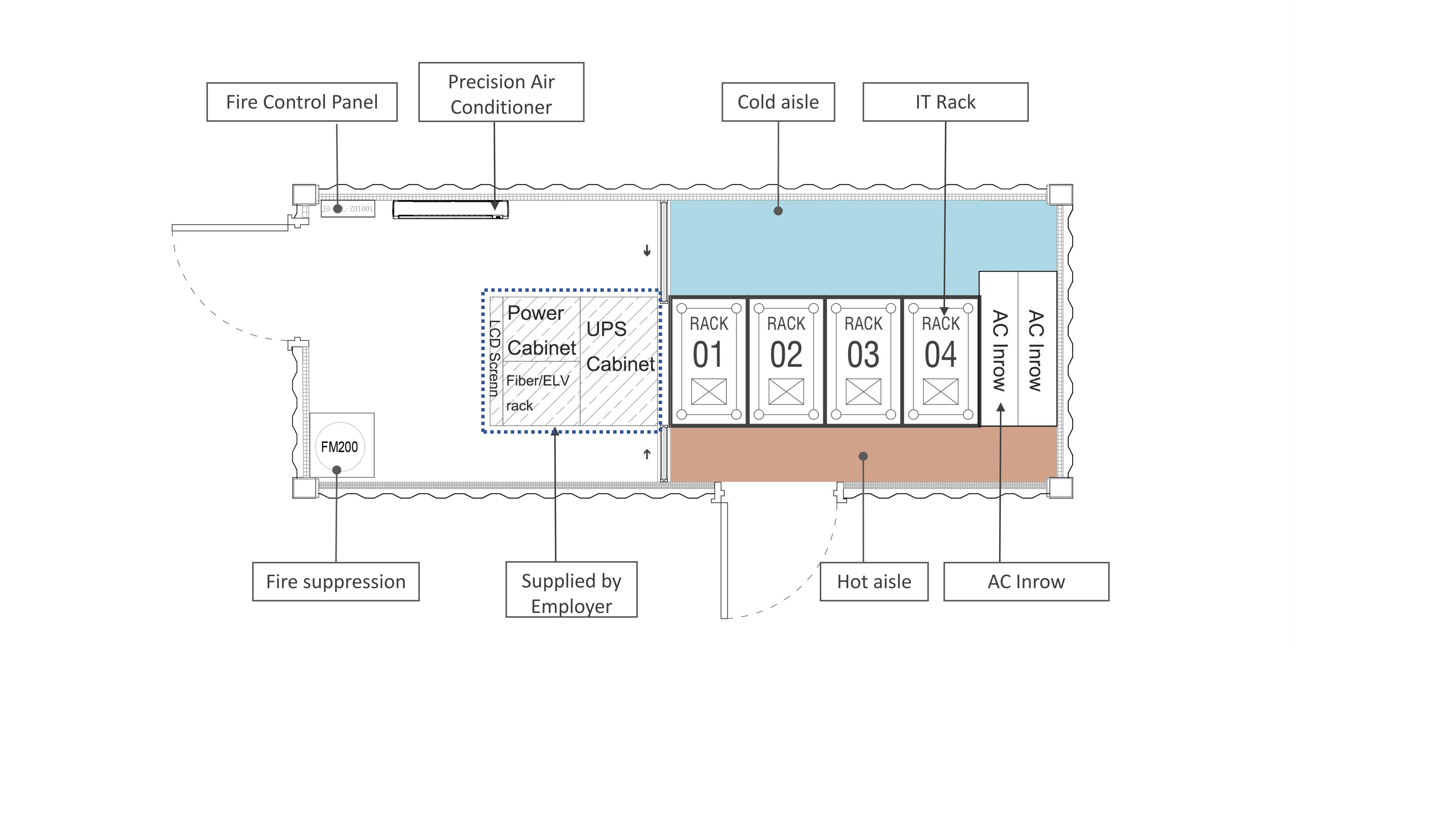
Effective Data Center Airflow Management is essential for maintaining optimal operational conditions in today’s high-density computing environments. As data centers evolve, the complexity of managing airflow increases, necessitating advanced strategies to ensure that equipment remains cool and operational. Poor airflow can lead to hot spots, reduced efficiency, and even hardware failure, making it critical for organizations to invest in robust airflow management techniques. Techniques such as hot aisle/cold aisle containment, airflow monitoring, and strategic placement of cooling units are vital in ensuring that cold air reaches the equipment while hot air is effectively exhausted. Furthermore, leveraging AI and IoT technologies can enhance monitoring capabilities, providing real-time insights into airflow patterns and allowing for proactive adjustments. By prioritizing airflow management, organizations not only enhance their operational efficiency but also contribute to sustainable practices within the industry, aligning with global efforts to reduce energy consumption and environmental impact.
Frequently Questions

What is Data Center Airflow Management?

Data Center Airflow Management refers to the strategies and technologies employed to control the movement of air within a data center. Effective management ensures that equipment receives adequate cooling while preventing hot air from recirculating, thus maintaining optimal operating temperatures and enhancing energy efficiency.
Effective airflow management is crucial as it directly impacts the cooling efficiency, operational costs, and lifespan of data center equipment. By optimizing airflow, organizations can prevent overheating, reduce energy consumption, and enhance the reliability of their infrastructure, leading to improved overall performance.
Improving airflow management can be achieved through various methods, including implementing hot aisle/cold aisle containment, utilizing airflow monitoring tools, and optimizing the placement of cooling units. Regular assessments of airflow patterns and equipment layouts can also identify areas for improvement.
Technologies such as airflow monitoring systems, containment solutions, and advanced cooling units support effective airflow management. These tools provide real-time data on temperature and airflow patterns, enabling data center managers to make informed decisions to optimize cooling efficiency.

Related article

How to Improve Modular Data Center Efficiency: 7 Proven Strategies for Faster, Greener, and Scalable Infrastructure

09

Jul

How to Improve Modular Data Center Efficiency: 7 Proven Strategies for Faster, Greener, and Scalable Infrastructure

View More
Why Southeast Asia Is Emerging as an AI Data Center Hub

29

Jul

Why Southeast Asia Is Emerging as an AI Data Center Hub

View More
Modular Data Center Cooling Options: An Overview

06

Aug

Modular Data Center Cooling Options: An Overview

What Is Modular Data Center Cooling? Cooling is a critical part of modular data center design because IT equipment continuously generates heat during operation. Unlike traditional data centers that are usually built around fixed cooling infrastructur...
View More
Commercial Micro Data Center Price: Factors That Affect Cost

15

Aug

Commercial Micro Data Center Price: Factors That Affect Cost

What Determines Commercial Micro Data Center Price? The price of a commercial micro data center depends on multiple factors, including hardware configuration, cooling architecture, redundancy requirements, deployment environment, software features, a...
View More

Customer Testimonials

John Smith
Transformative Impact on Energy Costs

Implementing advanced airflow management strategies has drastically reduced our energy costs and improved our cooling efficiency. We’re now able to operate at a fraction of our previous energy consumption levels!

Sarah Johnson
A Game Changer for Equipment Longevity

Since optimizing our airflow management, we’ve seen a significant decrease in hardware failures. Our servers are running cooler and more efficiently, extending their lifespan and saving us money on replacements.

Get a Free Quote

Our representative will contact you soon.
Email
Name
Company Name
Message
0/1000
Innovative Airflow Containment Solutions

Innovative Airflow Containment Solutions

Our innovative containment solutions effectively segregate hot and cold air within the data center, ensuring that cooling resources are utilized efficiently. This approach prevents hot air recirculation and maximizes cooling effectiveness, leading to significant energy savings and improved equipment performance. By implementing these solutions, organizations can achieve a more stable operating environment, reducing the risk of downtime and enhancing overall productivity. Furthermore, our systems are designed to be scalable, allowing for easy integration as data center demands grow, ensuring that your infrastructure remains agile and adaptable.
Real-Time Monitoring and Analytics

Real-Time Monitoring and Analytics

With our advanced monitoring systems, data centers can gain real-time insights into airflow patterns and temperature fluctuations. This data-driven approach allows for proactive adjustments to cooling strategies, ensuring optimal performance and preventing potential issues before they arise. By leveraging analytics, organizations can identify trends and make informed decisions that enhance energy efficiency and operational reliability. Our solutions empower data center managers to stay ahead of the curve, adapting to changing workloads and maximizing resource utilization.
Sustainable Growth Through Efficiency

Sustainable Growth Through Efficiency

Our commitment to sustainable growth is evident in our focus on airflow management. By optimizing cooling processes, we help organizations reduce their carbon footprint while enhancing operational efficiency. This dual approach not only supports environmental goals but also drives cost savings, enabling organizations to reinvest in their infrastructure and innovation. As data demands continue to rise, our solutions provide a pathway to scalable and intelligent digital infrastructure, ensuring that businesses can thrive in a competitive landscape while prioritizing sustainability.